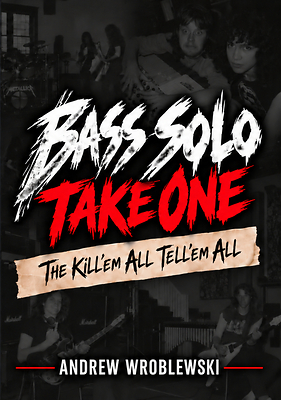
There's something compelling about the stories that happen in recording studios, especially when they involve the creation of albums that changed everything. A newly published memoir by Andrew Wroblewski offers exactly that kind of insider perspective on Metallica's debut album, Kill 'Em All, recorded at MusicAmerica Studios in Rochester, New York, in May 1983.
Wroblewski was working as an assistant recording engineer at the studio when James Hetfield, Lars Ulrich, Cliff Burton, and Kirk Hammett arrived to lay down tracks for what would become a landmark record in heavy metal. His book, Bass Solo – Take One: The Metallica Kill 'Em All Tell 'Em All, pulls together firsthand memories, photographs from those sessions, and behind-the-scenes anecdotes from a moment that helped spark the thrash metal revolution.
A Voice in Metal History
One detail stands out: if you've heard Cliff Burton's famous bass solo "(Anesthesia) – Pulling Teeth" on the album, that voice announcing "Bass solo, take one" at the start belongs to Wroblewski himself. It's a small moment that places him squarely in the middle of one of metal's most iconic recordings.
Beyond that particular track, the memoir digs into the band's recording process on songs like "Seek & Destroy," explores the unconventional studio techniques used during sessions, and reveals stories about the album's original proposed title. Wroblewski also documents his personal encounters with the four young musicians before they became international stars, capturing personalities and humour that fans rarely get to see.
From Studio Sessions to Legacy
The book isn't just a recounting of technical details. It's also the story of how Wroblewski reconnected with Metallica decades later, and ultimately what drove him to preserve these memories in print. Rare photographs from the original sessions complement his accounts, including historical images he later donated to the Rock & Roll Hall of Fame.
Bass Solo – Take One: The Metallica Kill 'Em All Tell 'Em All is available now on Amazon. For fans of Metallica, admirers of Cliff Burton's legacy, and anyone fascinated by recording studio history, it offers a personal window into the creation of one of metal's most influential albums.